Home Science hit hard as teachers exit for lucrative private ventures - TSC director
Kenya faces a 137,500 teacher shortfall, with key subjects like Home Science, Social Studies and Creative Arts hit hardest, as thousands of trained teachers remain jobless or leave for better pay.
Thousands of newly trained teachers are yet to be absorbed by the government, even as schools nationwide struggle with severe shortages in critical subject areas.
School heads have decried that subjects including Home Science, Social Studies and Creative Arts are particularly affected, leaving students without essential practical and academic skills.
More To Read
- TSC confirms shift to SHA cover for teachers from December 1
- SHA medical scheme for teachers launches midnight amid system errors, legal challenge
- Teachers to stay in same schools after promotions under new TSC policy
- TSC to send unemployed teachers overseas under new framework
- TSC announces strict invigilation guidelines ahead of national exams
- KNUT protests transfer of Nairobi teachers, warns of ‘return of delocalisation’
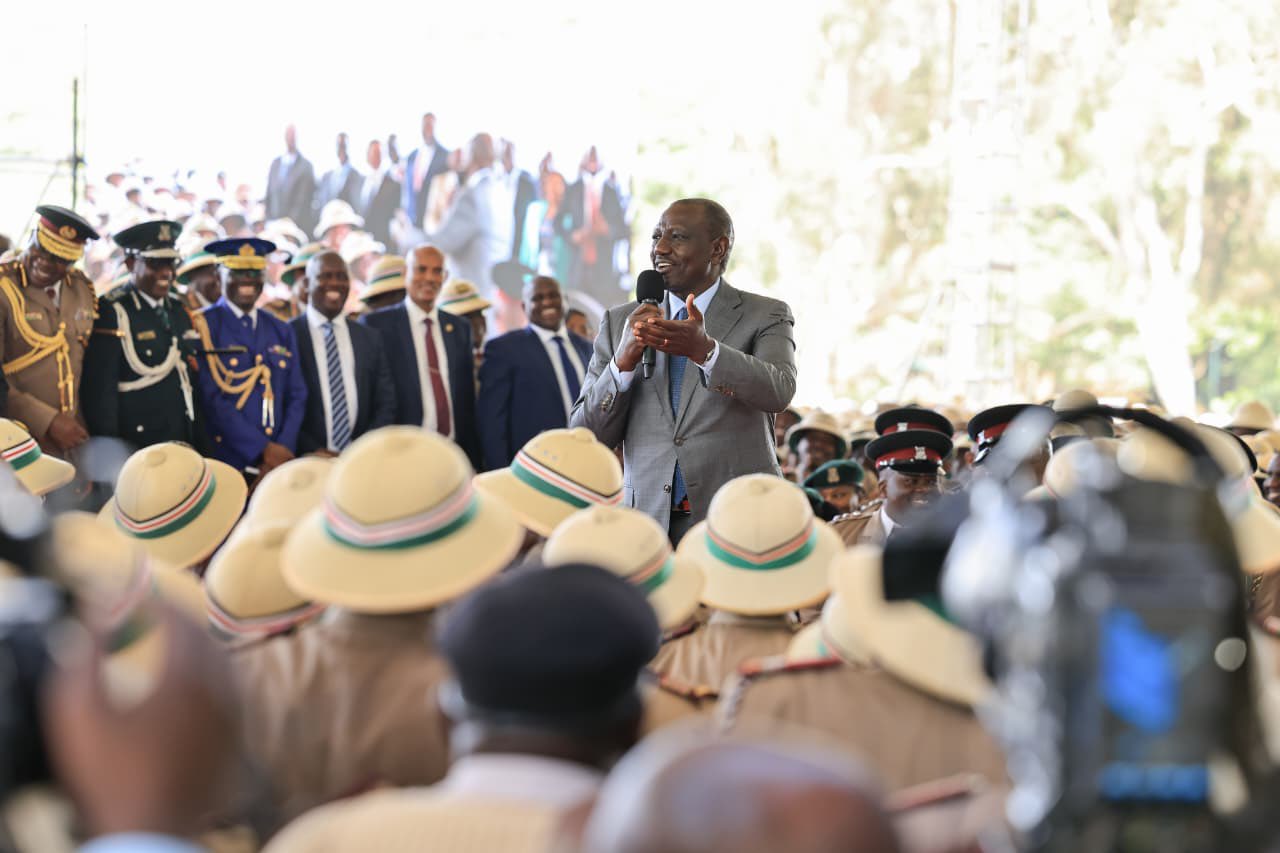
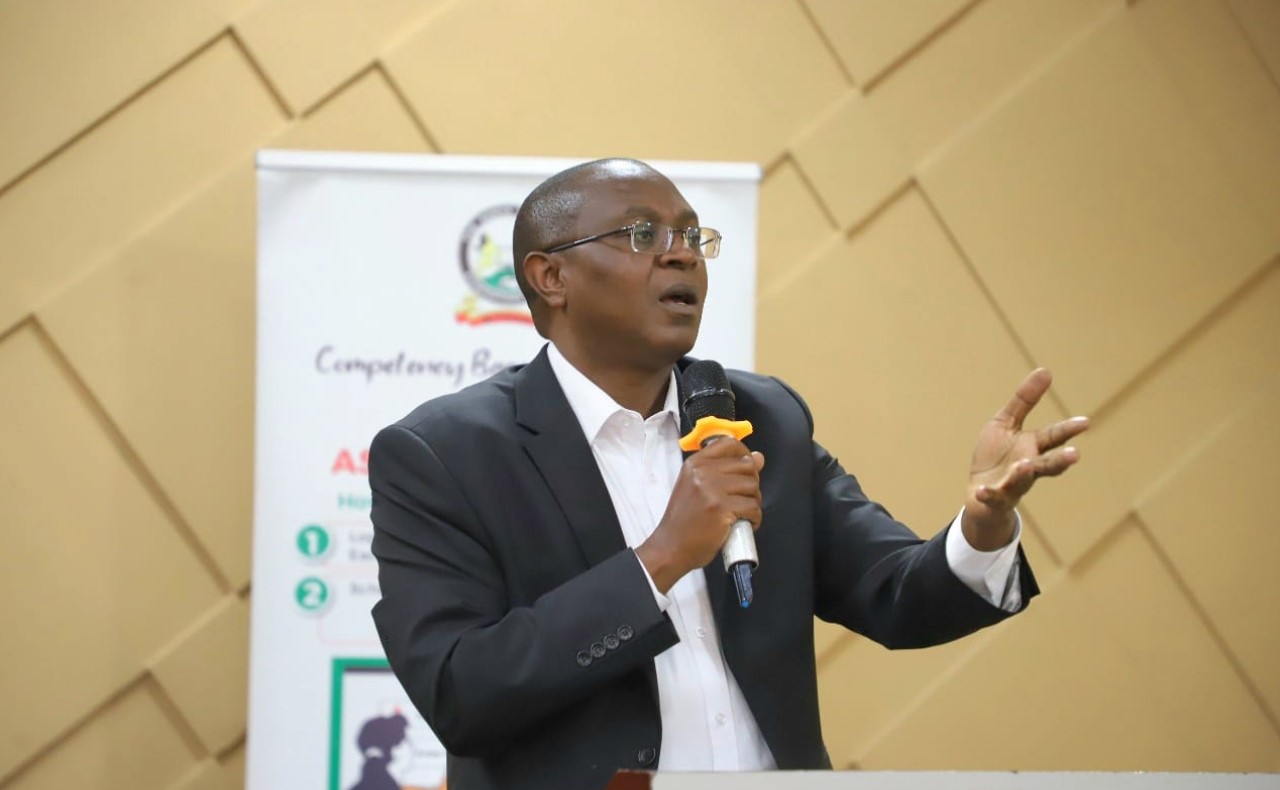
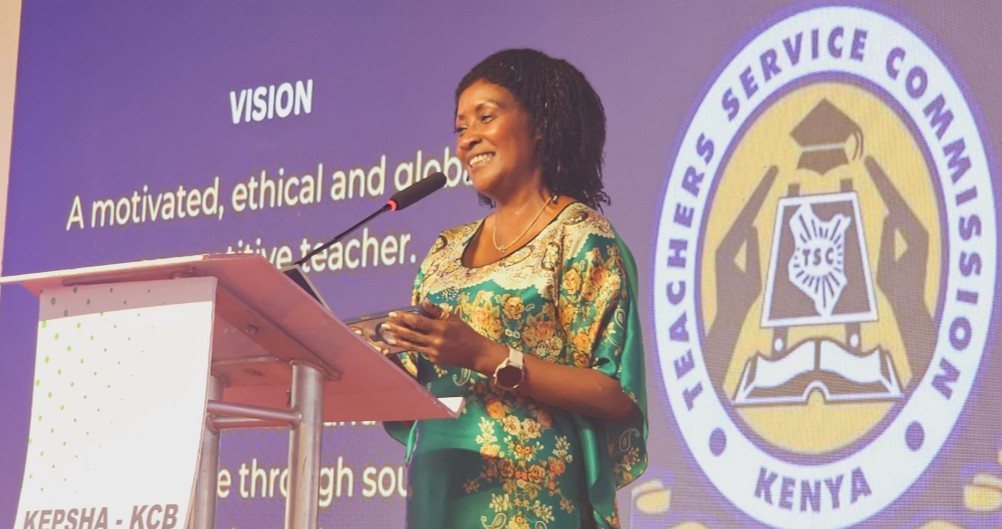
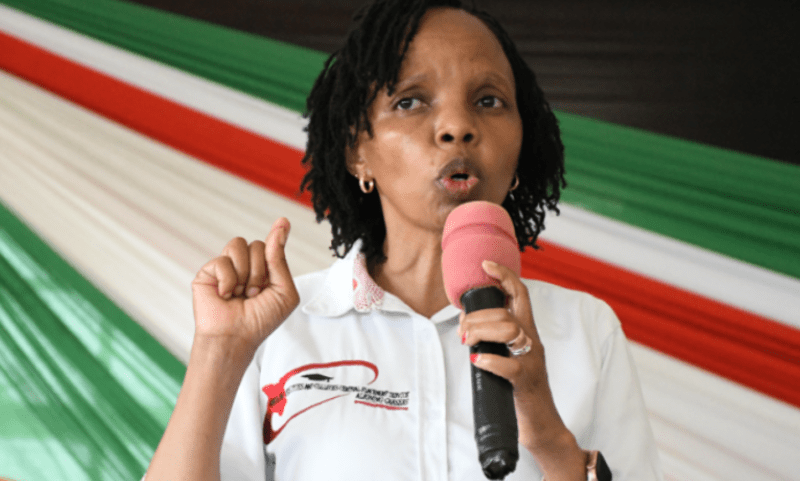
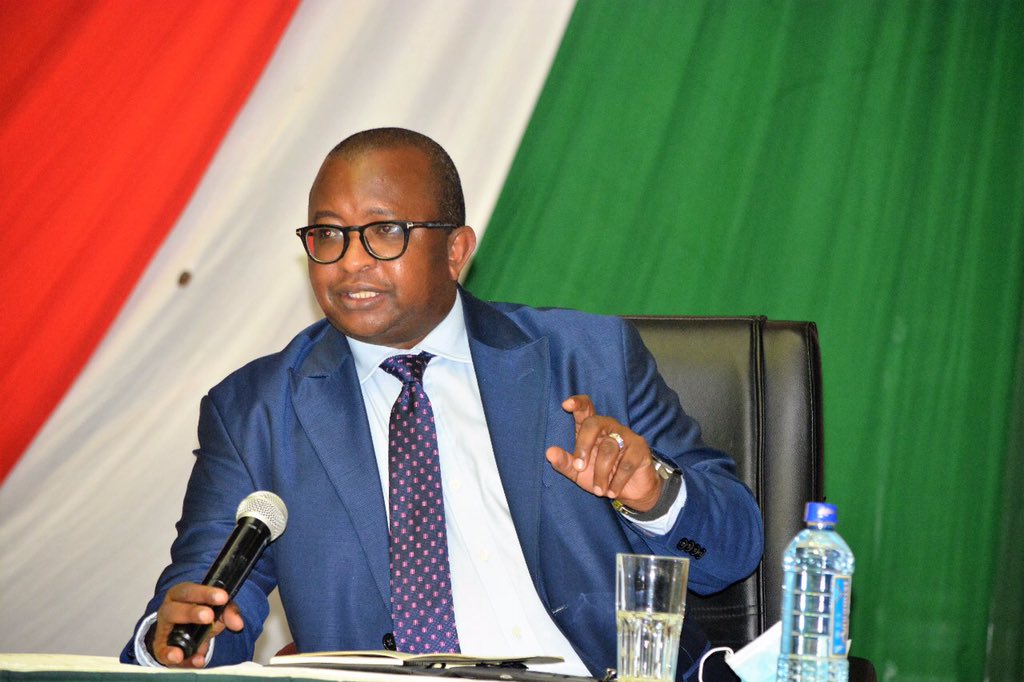
Speaking during a teacher education conference at Mombasa Beach, TSC Director of Quality Assurance Reuben Nthamburi highlighted the challenges facing technical and practical subjects, particularly Home Science, which has been the hardest hit.
Nthamburi attributed the shortage to an economic exodus from the teaching profession, with many trained Home Science teachers pursuing more lucrative opportunities outside the public service.
“Many Home Science teachers are leveraging their skills in baking to start private business ventures. Some schools have actually dropped even doing Home Science because we do not have Home Science teachers,” he said.
He added that such ventures often offer earnings that significantly surpass government teacher salaries.
“I do not know what you will also do with Home Science teachers, because even if we employ them, they will leave because they want to start a bakery to make cakes. That is the reality we are facing. A number of them have left, and when you meet them, they have a bakery, and they are doing better,” Nthamburi said.
He also questioned why universities had stopped offering Home Science courses.
The shortage extends beyond Home Science, affecting several critical subjects under both the phased-out 8-4-4 curriculum and the new Competency-Based Education (CBE) system.
“Those are the key areas in Senior School where we have a challenge. But remember, we are still implementing the 8-4-4 curriculum; we are now at Form 2, Form 3 and Form 4. However, next year we are going to be having Forms 3 and 4. The required teachers for that level are 157,476, but we have 130,899, so the deficit is 26,577,” Nthamburi said.
To address the persistent teacher shortage in Kenya’s basic education system, Education Cabinet Secretary Julius Ogamba said the government will expand recruitment and training programmes for teachers across key disciplines. He added that the Ministry of Education faces a shortfall of 137,500 teachers despite massive hiring efforts over the past three years.
“The shortage is acute in specialised subjects such as social studies, integrated science, pre-technical studies and various vocational and STEM fields. This underscores the urgent need for expanded and targeted teacher training programmes, especially at the diploma and degree levels. To address these gaps and support Kenya's curriculum reforms,” the CS said.
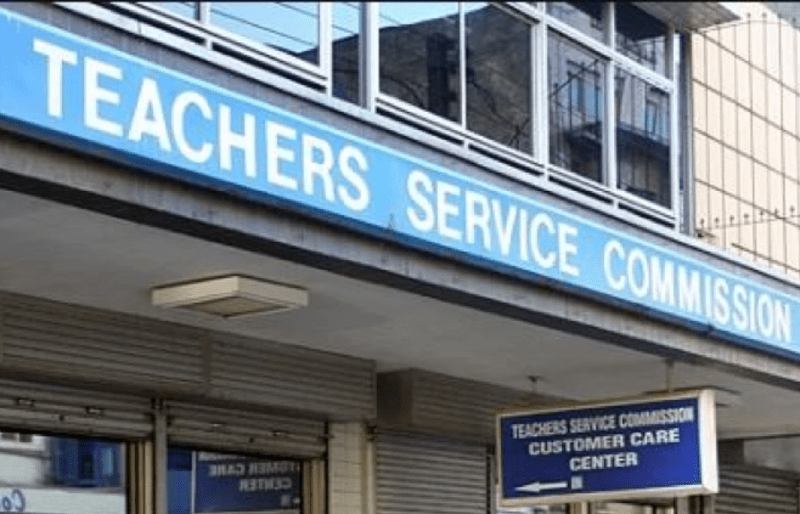
According to data from the Teachers Service Commission (TSC), junior schools are short of 72,422 teachers, while senior schools face a deficit of 65,070 educators. The Commission currently manages a workforce of 431,831 teachers, but there are an additional 369,430 who are registered with TSC yet remain off the government payroll.
Currently, approximately 129,847 teachers are deployed across more than 9,500 secondary schools nationwide. Subjects most affected include Music and Arts, French and other foreign languages.
Kenya Teachers Colleges Principals Association (KTCPA) chairperson Wycliffe Nyongesa decried the lack of employment for graduates.
Other Topics To Read
“We are the only institutions that have graduated CBE teachers, but they have not been deployed. We have around 8,000 who have not been absorbed by the state,” he said, noting that private schools are currently benefiting from the graduates’ skills.
Meanwhile, Alupe University Vice Chancellor Prof Peter Barasa criticised the current university and Higher Education Loans Board (HELB) funding model, arguing that teacher education is systematically undervalued compared to high-cost disciplines such as medicine.
“The financial disparity is counterproductive, as the quality of future doctors and other high-cost professionals relies heavily on well-trained educators,” he said.
Top Stories Today